



Practices in use across Uganda
Each entry below is grounded in SLM Uganda's own field research and documented catchment interventions, drawing on conservation agriculture and integrated nutrient management practice notes.
Minimal soil disturbance (no-till)
Reduces or eliminates ploughing to preserve soil structure, maintain organic matter and improve water infiltration. Increasingly used in Lira and Gulu to combat drought-driven soil degradation.
Crop rotation & diversification
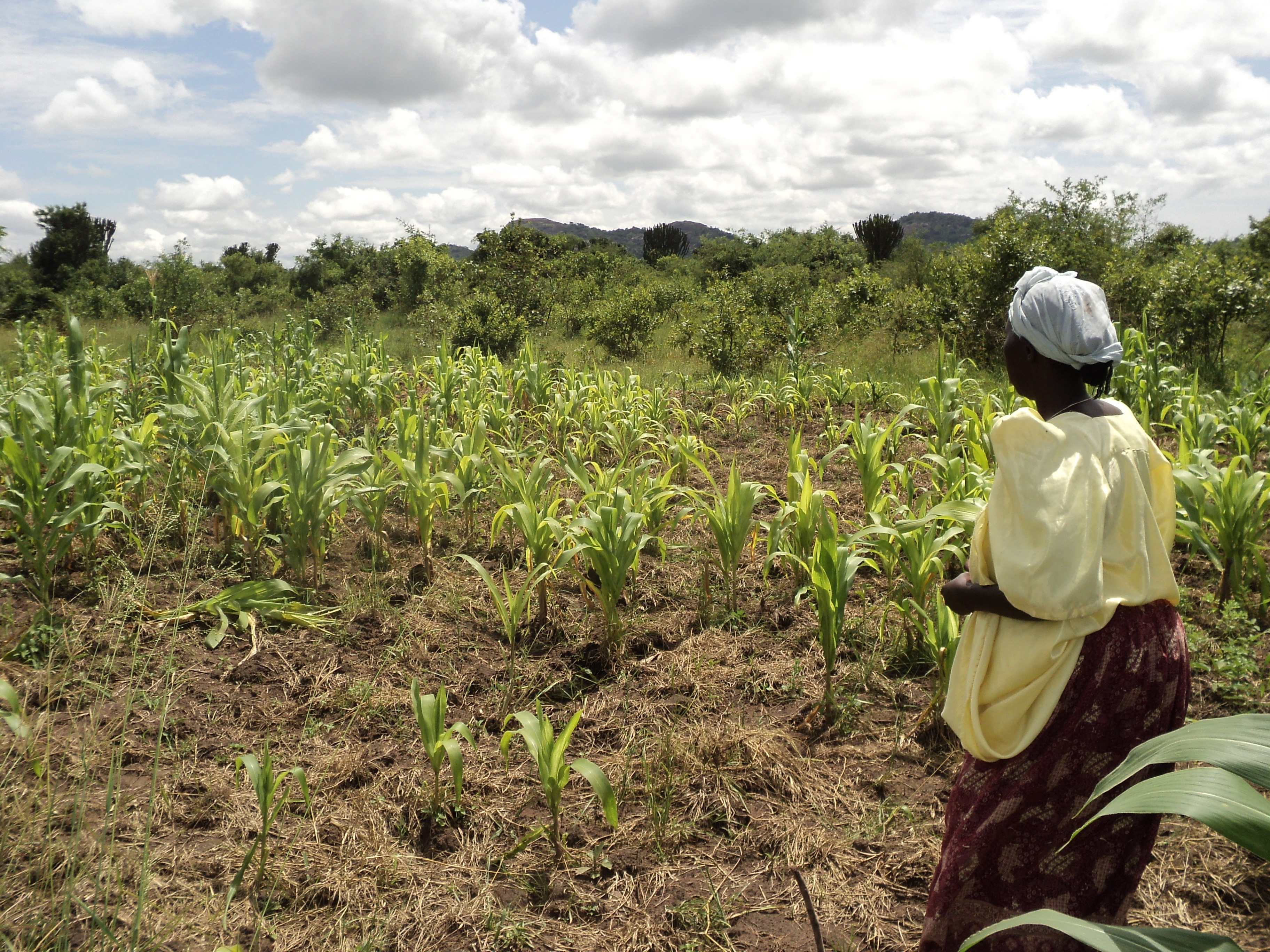
Rotating nutrient-demanding crops like maize with nitrogen-fixing legumes (beans, groundnuts, soybeans) restores fertility and breaks pest cycles. Widely used in Kabale and Kisoro.
Mulching
Covering soil with crop residue or leaves to reduce water loss, suppress weeds and protect against erosion. Common in Mbarara and Bushenyi banana plantations.
Agroforestry
Integrating trees (Grevillea, acacia, fruit trees) into farmland for erosion control, improved soil fertility and diversified income. Promoted around Mount Elgon and the Rwenzoris.
Cover cropping
Leguminous cover crops such as cowpeas and pigeon peas add nitrogen and protect soil in the off-season. Practised in the Teso sub-region (Soroti, Kumi).
Water harvesting & irrigation
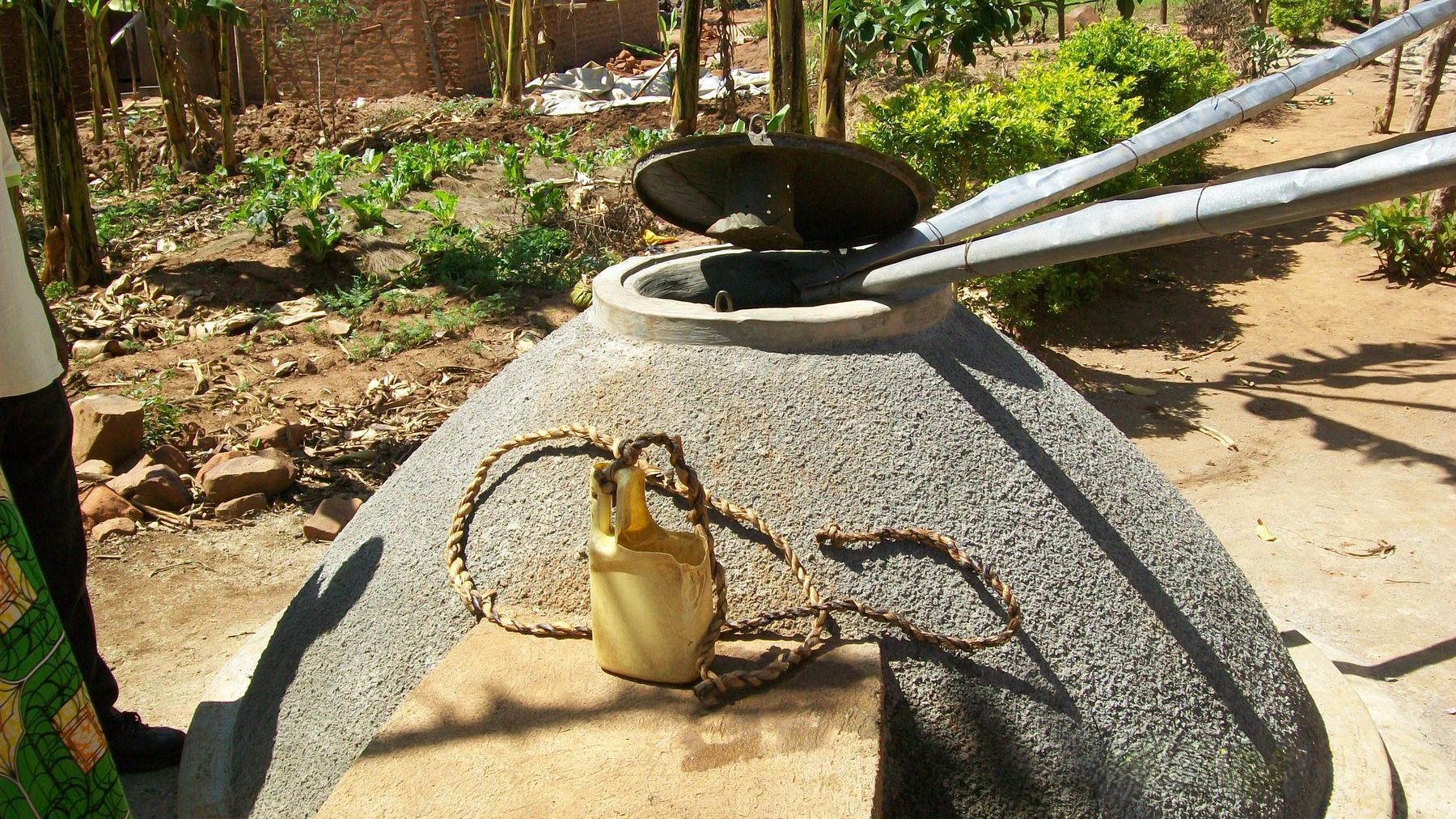
Rainwater collection and small dams sustain vegetable and small-scale farming through dry spells, essential in the drought-prone Karamoja sub-region.
Contour farming & terracing
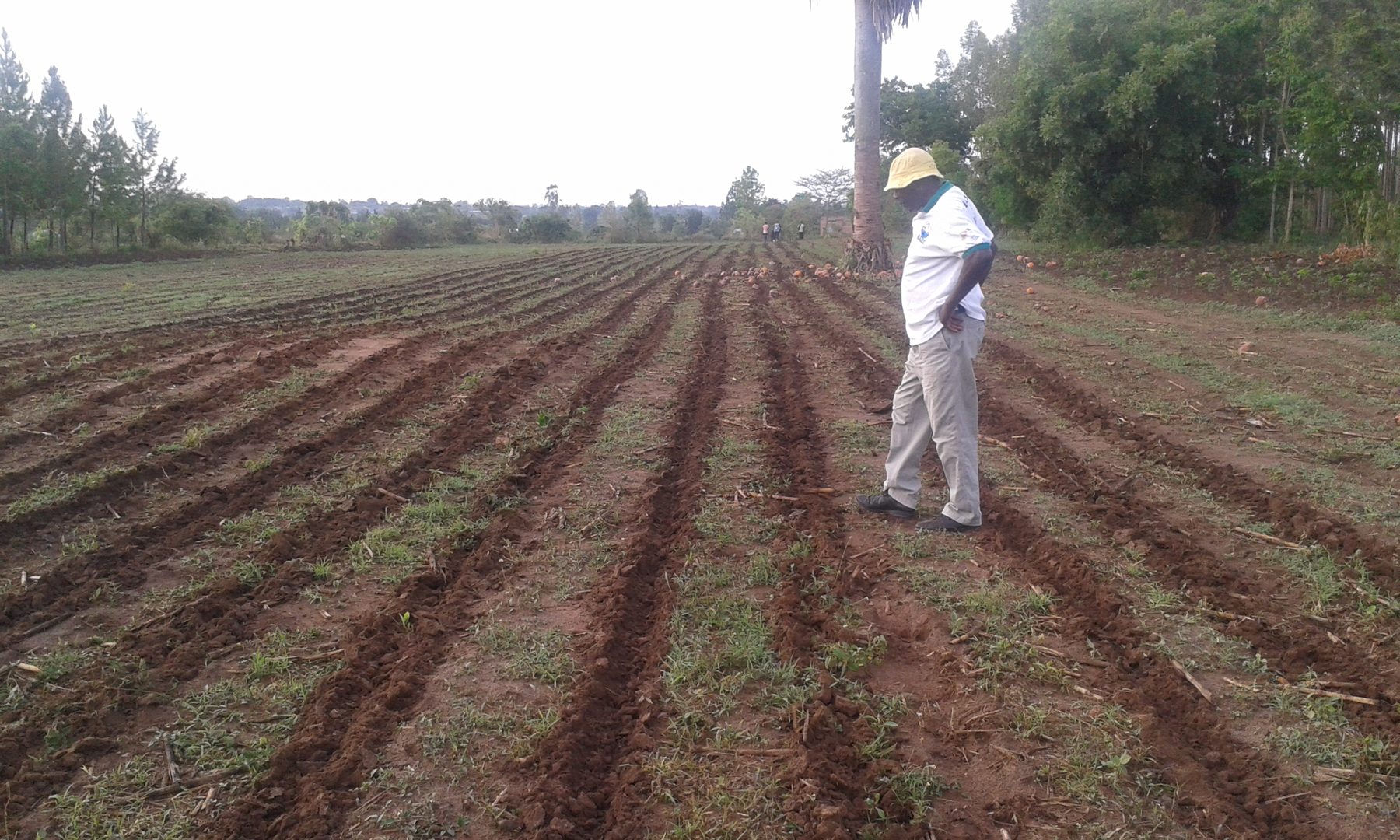
Ploughing along slope contours reduces runoff and erosion on hilly terrain, preserving soil fertility in Kabale and Mbale.
Ca-bentonite soil amendment
A 2:1 clay mineral mined at Hoima that improves moisture retention in sandy soils. Field trials in Nakasongola, Ngora and Katakwi lifted maize yields by up to 40%, more when combined with manure and fertiliser.
Supplemental irrigation
Drip, furrow and sprinkler systems tested in Nakasongola significantly raised rice and maize yields over rain-fed control plots, with sprinkler performing best.
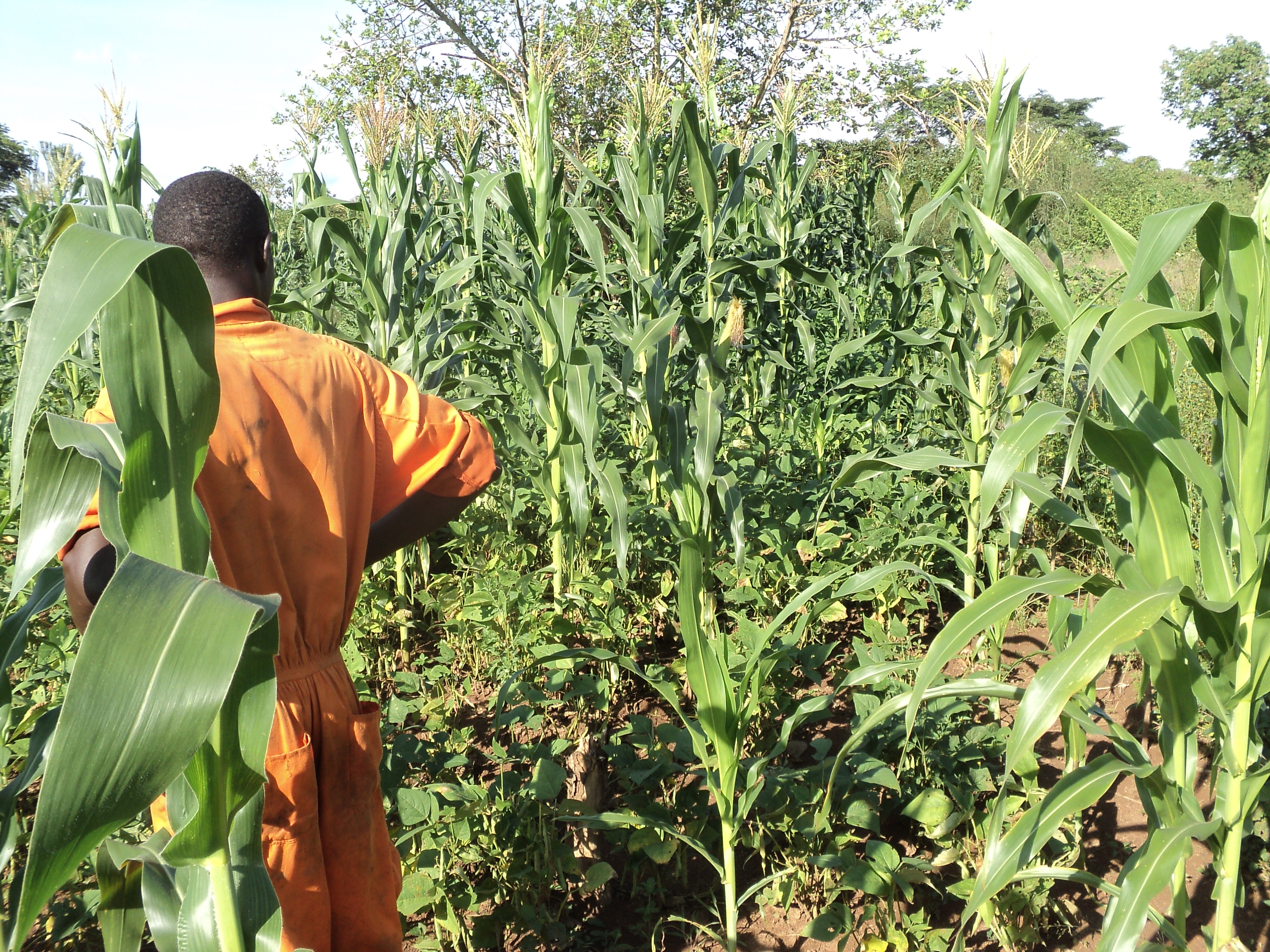
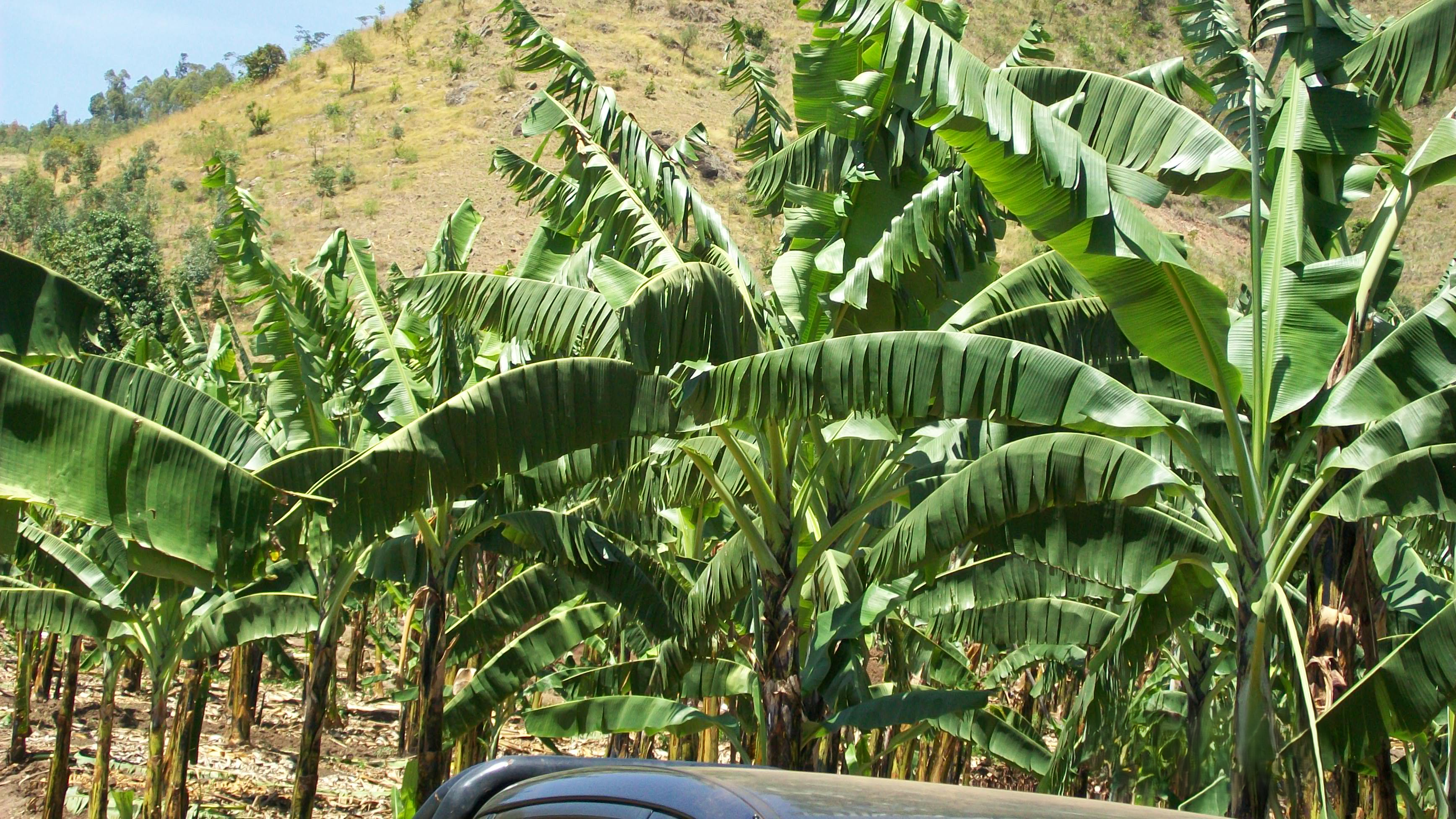
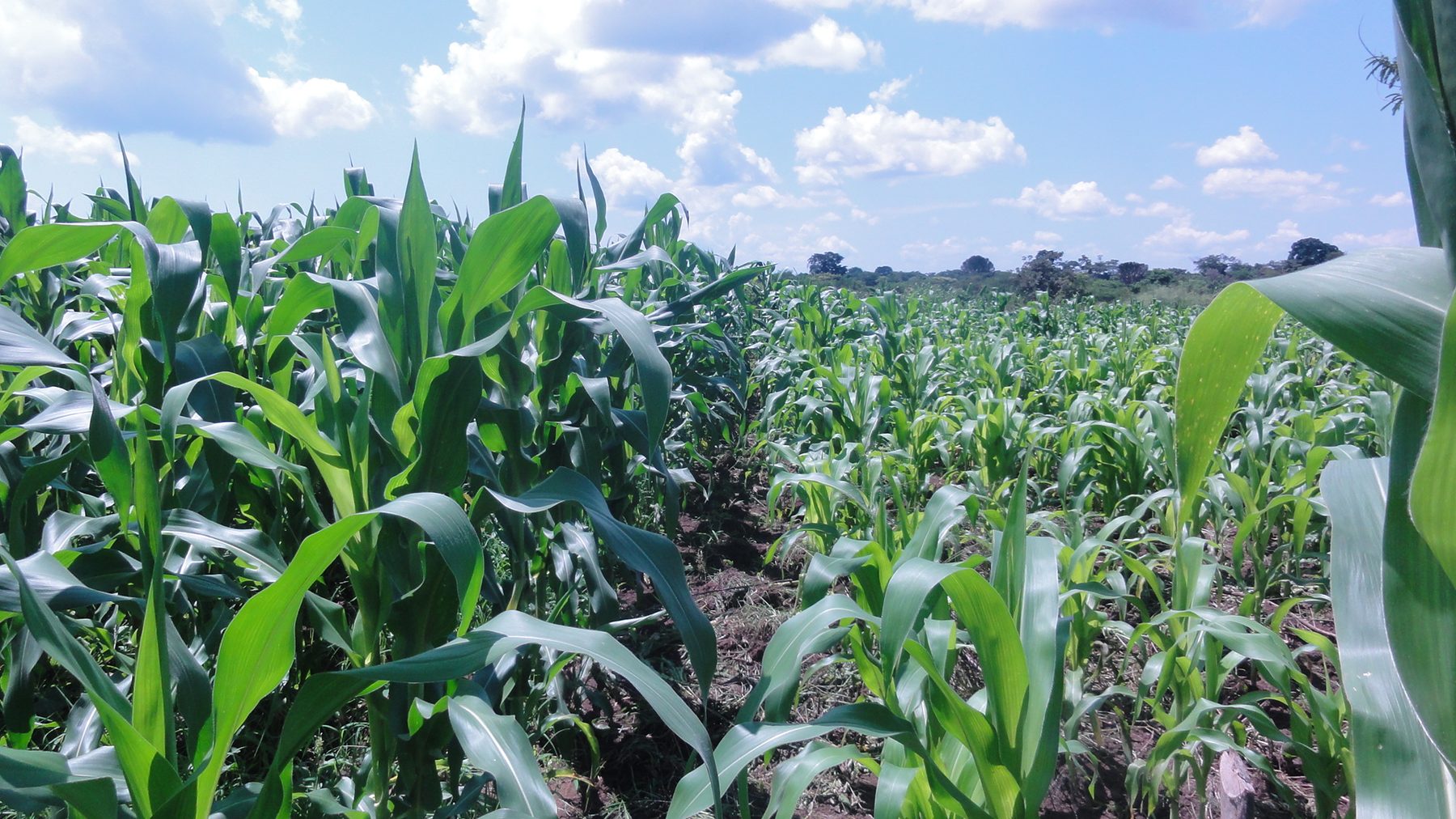
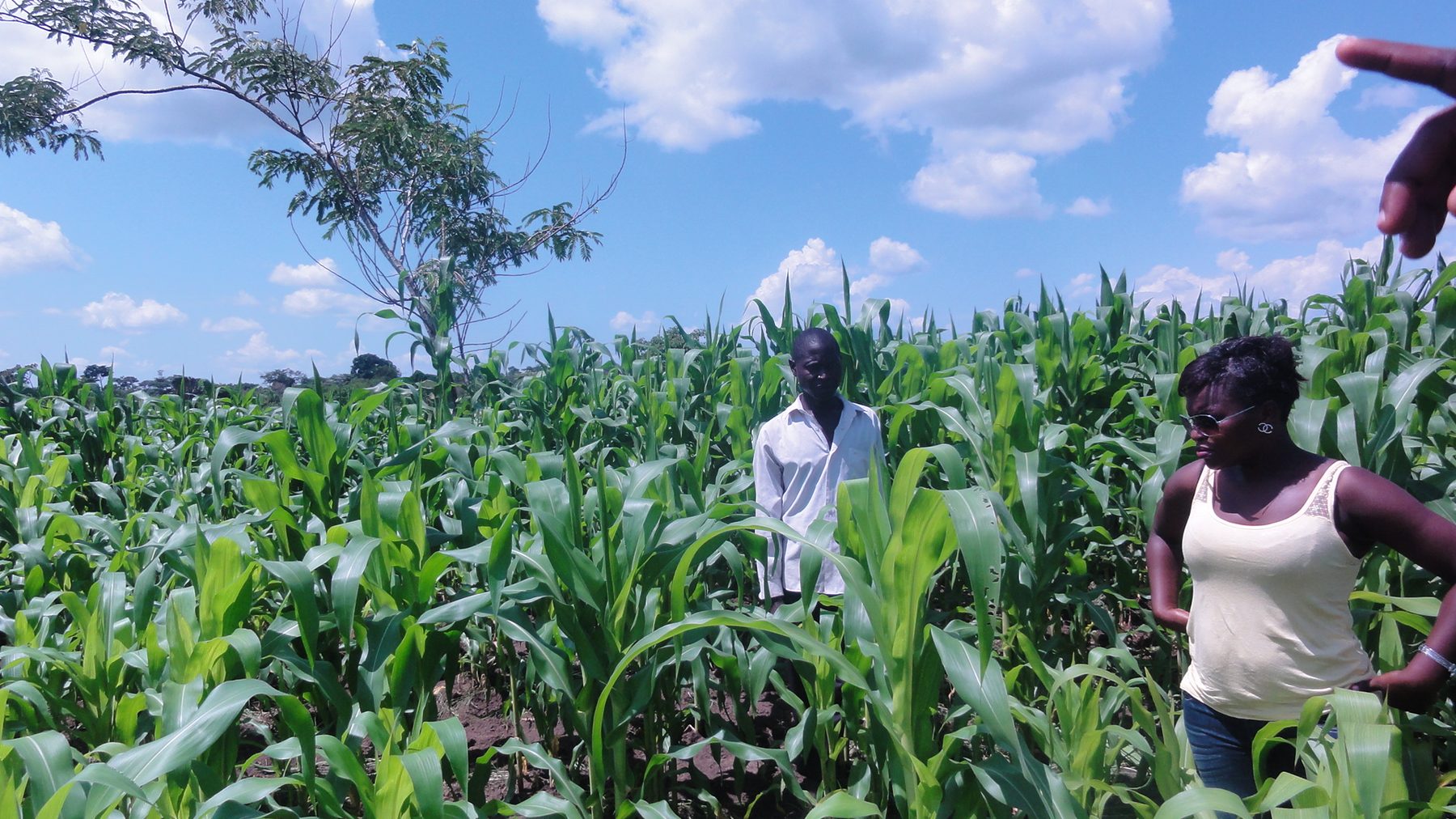
Promoted by NARO, FAO, the Conservation Farming Unit and partner programmes such as EAFIRA (Eastern Uganda) and ALREP (Northern Uganda), working with local agricultural extension teams.
Conservation farming: manure & mulch
Every technology profile follows this structure so users can compare options directly. This one is filled in with verified field-trial evidence; others are being written up in the same format.
| Problem addressed | Soil erosion and moisture stress on cultivated land. |
|---|---|
| Suitable conditions | Drought-prone cropland in western and central Uganda; minimally tilled fields. |
| How it works | Combining farmyard manure with surface mulch protects the soil surface, slows runoff and helps retain moisture between rainfall events, replacing conventional up-and-down cultivation. |
| Implementation | Apply manure ahead of planting; retain crop residue or add mulch material as ground cover; avoid up-and-down tillage on sloped land. |
| Expected benefits | Field trials recorded reductions in soil loss of up to 18.5 kg/ha and water loss of up to 2,340 l/ha, compared with farmers' conventional up-and-down cultivation practice. |
| Limitations & risks | Requires reliable access to sufficient manure and mulch material; benefits depend on consistent, seasonal application. |
| Evidence in Uganda | Tested under SLM soil and water conservation trials in drought-prone areas of western and central Uganda. |
| Geographic relevance | Drought-prone, semi-arid cropping areas — especially the Cattle Corridor. |
| Technical resources | Climate Change Adaptation & Mitigation brief; Integrated Nutrient Management brief — see Knowledge Hub. |
| Contact / support | Ask the SLM technical team › |
Integrated nutrient management: Ca-bentonite
| Problem addressed | Soil moisture stress, nutrient depletion and poor water-holding capacity of sandy soils. |
|---|---|
| Suitable conditions | Sandy, drought-stricken soils, as tested in Nakasongola, Ngora and Katakwi districts. |
| How it works | Ca-bentonite is a 2:1 clay mineral that holds water in the soil and releases it for plant uptake, mitigating moisture stress in sandy soils. |
| Implementation | Apply at approx. 2.5 t/ha, ideally blended with farmyard manure, DAP or single superphosphate for higher returns. |
| Expected benefits | Increased soil moisture and grain yields of maize, millet, sorghum, green-grams and groundnuts by 5–20% alone, and 65–108% above control when combined with manure and fertiliser. |
| Limitations & risks | Production cost can limit uptake on low-value crops; most profitable on higher-value crops like groundnuts, or blended with other materials. |
| Evidence in Uganda | Semalulu et al. (2015, 2017) — see Research & Projects. |
| Geographic relevance | Cattle Corridor and other sandy, drought-stressed cropping zones. |
| Contact / support | Ask the SLM technical team › |
Not sure which practice fits your land?
Some conditions need a site visit rather than a general recommendation.
Request technical advice